Ingenious and Stylish Designs in Modern Legs For Kitchen Island Solutions
Crucial Elements to Take Into Consideration When Picking Legs For Kitchen Island
Selecting the ideal legs for a kitchen area island entails a careful evaluation of numerous variables that can considerably influence both capability and aesthetic appeal. As we explore these aspects, it comes to be clear that each decision can have significant implications for the general kitchen area experience.
Product Options
When picking legs for a kitchen island, recognizing the numerous product alternatives is necessary for accomplishing both aesthetic charm and architectural integrity (Legs For Kitchen Island). The selection of product substantially affects not only the sturdiness of the island however also its total design and functionality
Wood is a prominent option, using warmth and adaptability. Solid woods, such as oak or maple, provide stamina and can be stained or painted to match the cooking area decor. Steel legs, often made from stainless steel or functioned iron, contribute a modern and commercial feel while making sure longevity and stability. These products are immune to put on and can sustain substantial weight, making them ideal for bigger islands.
Another choice is crafted products, like MDF or plywood, which can be more cost-efficient while still using an array of finishes. They might not provide the exact same degree of security as solid timber or steel. Legs For Kitchen Island. Lastly, materials such as acrylic or glass can create a contemporary appearance, though they might call for additional support to ensure stability.
Inevitably, the choice of material for cooking area island legs need to line up with the preferred functionality and the total theme of the kitchen area.
Design And Style

When thinking about design, the shape and finish of the legs are important. Conical legs can provide a feeling of lightness and elegance, while thicker, extra durable legs can convey stamina and stability. Furthermore, the finish-- be it painted, discolored, or all-natural-- ought to complement the cabinetry and counter top products to create a unified appearance.
Furthermore, the layout of the legs can additionally reflect individual preference. Custom or attractive legs, such as those featuring complex carvings or one-of-a-kind geometric forms, can work as centerpieces, adding character and personality to the cooking area. Eventually, the best choice will certainly not only improve functionality yet also raise the aesthetic appeal, making the cooking area island a standout feature of the home.
Height Factors To Consider
Picking the proper elevation for kitchen island legs is critical, as it directly influences both capability and convenience. The typical height for a kitchen island typically varies from 36 to 42 inches, lining up with typical counter top heights.

It is also vital to account for individuals' heights and preferences. Tailoring the elevation can ensure a comfy experience for all family members, making the kitchen island an extra functional and satisfying room.
Weight Assistance
Making sure adequate weight support for kitchen area island legs is vital for both safety and performance. The cooking area island commonly offers several objectives, consisting of food prep work, dining, and added storage, go to these guys demanding a robust assistance framework. When picking legs, it is critical to consider the general weight ability called for go to these guys based on the island's intended usage and the materials that will certainly be put on it.
The selection of product for the legs plays a substantial duty in their weight-bearing abilities. Strong timber, metal, and heavy-duty composites usually offer remarkable toughness contrasted to lighter products. Additionally, the style of the legs-- whether they are straight, tapered, or have a pedestal form-- can affect their capacity to disperse weight properly throughout the framework.
Constantly consult the producer's specifications regarding tons limitations to make certain that the legs can sustain the designated weight without compromising security. In summary, choosing cooking area island legs with ample weight support is essential for producing a risk-free and practical cooking area.
Setup and Upkeep
Proper installment and maintenance of cooking area island legs are essential for ensuring longevity and security. To start, it is important to comply with the manufacturer's standards during installation. This often entails protecting the legs to the island base using suitable bolts, making sure that the legs are degree and lined up. Using a degree tool can help avoid tottering and boost the overall visual appeal of the kitchen area island.
When set up, normal maintenance is essential to preserve the honesty browse around here and look of the legs - Legs For Kitchen Island. For wood legs, periodic cleaning with a wet cloth and application of suitable timber polish can protect against wetness damages and preserve their finish. Steel legs may require a gentle cleansing remedy to remove grease and gunk, complied with by a dry cloth to protect against rust formation
Furthermore, inspect the legs regularly for signs of wear or damage, such as fractures or loose joints. Tightening up screws or screws as required can additionally lengthen the life-span of the legs. By adhering to these installation and upkeep practices, homeowners can make certain that their kitchen island continues to be tough and visually appealing for years to come.
Verdict
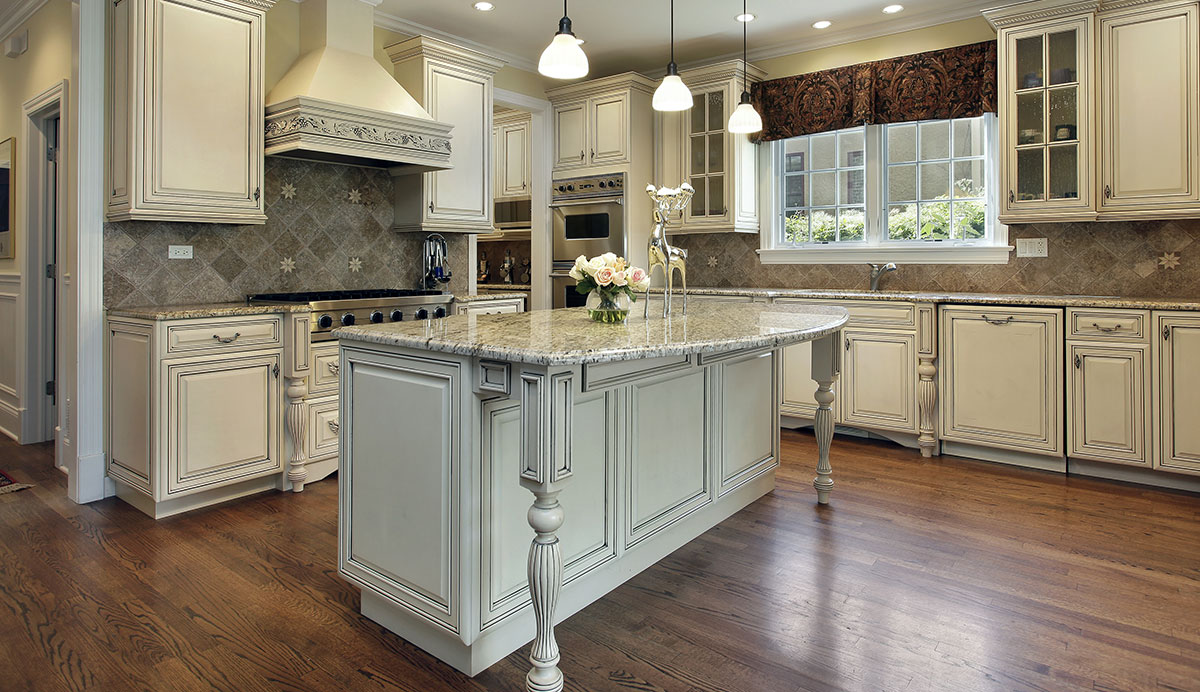
Aesthetic comprehensibility is vital in selecting the design and style of legs for a kitchen island, as these elements significantly influence the overall ambiance of the room. Conical legs can provide a sense of agility and elegance, while thicker, more robust legs can convey toughness and security.Selecting the appropriate height for kitchen area island legs is essential, as it directly affects both capability and convenience. In summary, selecting cooking area island legs with sufficient weight assistance is vital for developing a practical and secure culinary space.
In final thought, choosing legs for a kitchen island demands careful factor to consider of different elements, including product choices, design, height, weight assistance, and setup.